
Guide · Recognition at Work
The Lack of Recognition at Work
It's one of the leading drivers of demotivation and disengagement, across every sector. It sets in quietly, rarely all at once. Understanding how it starts is the first step to preventing it.

What we mean
Far more than a missing thank you
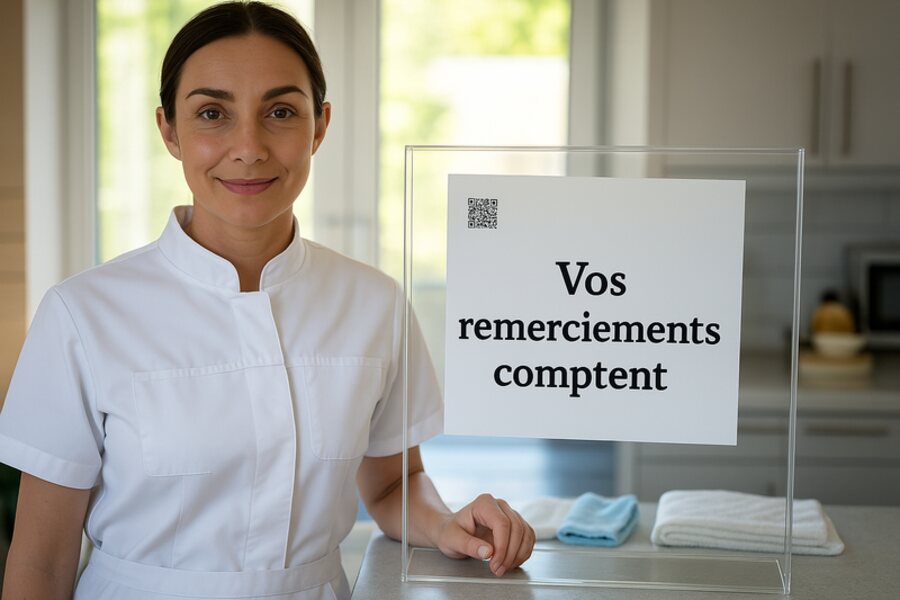
A lack of recognition isn't just a forgotten thank you. It appears when a lasting gap forms between the effort someone gives and the recognition they receive.
In practice, the person feels that their real work goes unseen, that their extra effort is treated as normal, and that the value of their role is never acknowledged.
A gradual condition
It builds up in stages
A lack of recognition is rarely sudden. It creeps in slowly, which is exactly what makes it hard to spot.
- First, mild demotivation.
- Then, emotional distance.
- Next, deeper fatigue, sometimes tinged with cynicism.
- Finally, for some, they leave.
The warning signs
What should catch your attention
In a person
- They stop mentioning their achievements, even significant ones.
- They cut back on initiative and stick strictly to their job description.
- They show weariness or irony about the value of their work.
- They mention opportunities elsewhere, without a clear plan.
In a team
- Absenteeism rises.
- Turnover climbs.
- Participation in shared moments drops.
- Tensions between departments multiply.
What the research shows
The scale of the problem, in numbers
8%
of French employees say they are engaged at work.
9%
of global GDP is the estimated cost of disengagement.
73%
of caregivers don't feel recognized for their work.
4%
of French teachers feel their role is valued, the lowest in the OECD.
Sources: Gallup, State of the Global Workplace, for engagement and the cost of disengagement. The imbalance between effort given and recognition received, described by Siegrist's model, increases the risk of burnout.

Why it stalls
Good intentions aren't enough
Wanting to recognize people isn't enough. Recognition that depends on chance, on available time, or on personality always ends up fading away.
What isn't structured doesn't last. Recognition works far better when it's preventive, regular and shared, rather than curative and occasional.
Breaking the cycle for good
Four conditions that change everything
See the real work
Recognize the effort and the gesture, not just the final result.
Make it easy day to day
Make expressing recognition simple, at any moment.
Don't put it all on managers
Colleagues, clients and service users have a say too.
Build rituals
Simple, regular, sincere moments that last.

The Listen Leon connection
Making recognition stick, for good
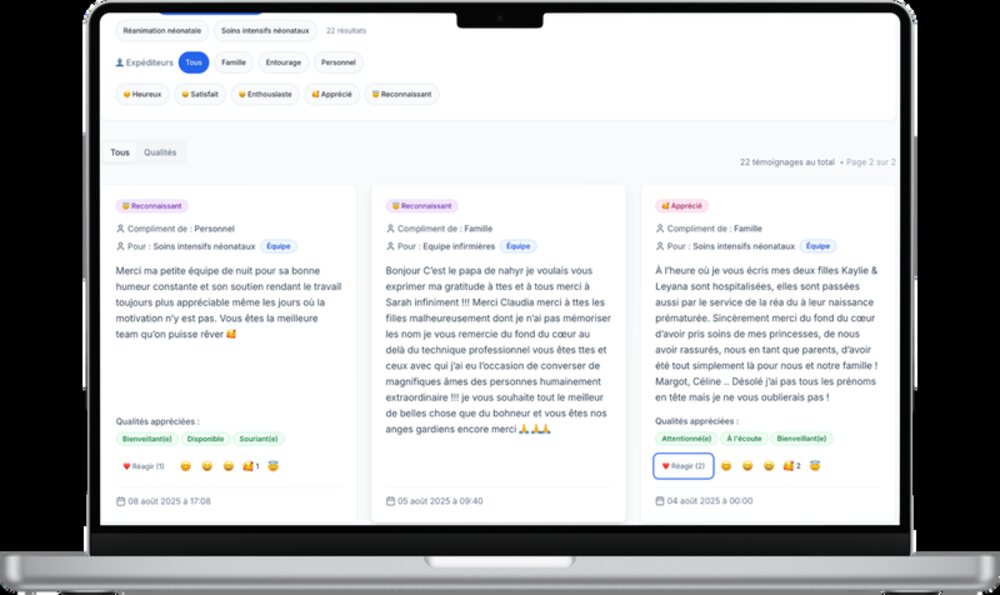
Listen Leon makes real contributions visible, makes it easy to express authentic thanks, and involves everyone: managers, colleagues, clients and service users.
Recognition becomes an everyday gesture, not a one-off event.
By sector
A lack of recognition doesn't look the same everywhere
We adapt our approach to your reality on the ground.
Frequently asked questions
The lack of recognition, explained
Is a lack of recognition just about not saying thank you?
Is this an individual problem?
What are the first signs?
Where should a manager start?
How does Listen Leon help?
Are messages moderated?
Don't let the silence set in
Let's look together at how to build fair, regular recognition into your teams.
Request a demoGo further
Case study · AP-HM, Marseille
A unit that turned it around
In neonatal intensive care, staff only ever heard about incidents. Now families write. 54 thank-you messages in ten months.
Read the case study