Recognition in Healthcare:
Challenges, Impacts, & Practical Solutions
Recognition in the healthcare sector has become a critical issue for healthcare organizations facing staff fatigue, loss of meaning, and increasing organizational pressure.
This page provides a clear and structured overview of:
the key challenges related to recognition in healthcare,
the measured impacts on professionals and organizations,
and practical, concrete solutions adapted to hospitals, clinics, and long-term care facilities.
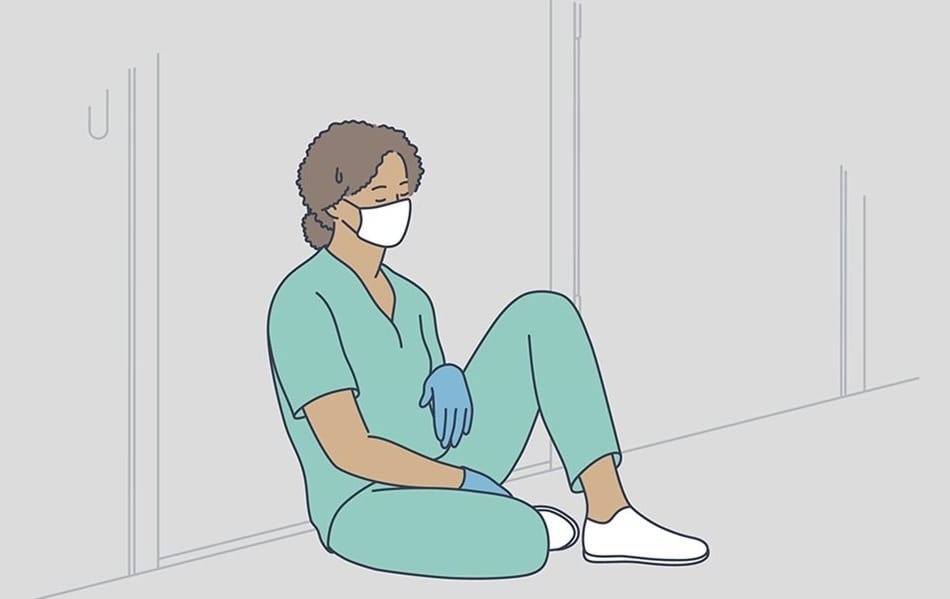
73% of healthcare professionals say their work is not recognized at its true value (Odoxa, 2023)
Numerous surveys highlight a persistent gap between the level of commitment shown by healthcare professionals and the recognition they receive in return.
This lack of recognition affects not only individual wellbeing, but also team dynamics, engagement levels, and the overall quality of care delivered to patients.
Lack of recognition among healthcare professionals: key causes
The lack of recognition in healthcare settings is rarely intentional.
It is largely structural and linked to:
high and continuous workload,
time pressure and staffing shortages,
limited opportunities for positive feedback,
recognition focused mainly on errors or compliance,
invisible yet essential day-to-day efforts.
high and continuous workload
time pressure and staffing shortages
limited opportunities for positive feedback
recognition focused mainly on errors or compliance
invisible yet essential day-to-day efforts.

Why recognition is a major issue in the healthcare sector
Recognition is not a “soft” or optional topic. It directly influences core organizational outcomes.
When recognition is present and structured, it helps to:
reinforce the sense of purpose and professional pride,
prevent emotional burnout,
sustain long-term engagement,
improve collaboration between professions,
strengthen the attractiveness of healthcare organizations.
In a sector where human relationships are central, recognition acts as a stabilizing force.
Consequences of a lack of recognition in healthcare
When recognition is insufficient or absent, the consequences are measurable:
increased absenteeism
progressive disengagement
higher staff turnover
recruitment difficulties
deteriorating team climate

What studies and data show about recognition
Research in occupational psychology and healthcare management consistently shows that:
recognition is one of the strongest drivers of sustainable engagement,
it reduces the risk of burnout,
it improves job satisfaction,
it strengthens intrinsic motivation,
it supports retention of healthcare professionals.
Organizations that integrate recognition into their daily practices demonstrate greater resilience and stability.
Different forms of recognition in healthcare
Recognition can take several complementary forms.
Among these, recognition from patients and relatives is often the most emotionally impactful, yet the least structured.
Managerial recognition
feedback, acknowledgment of work
Organizational recognition
Messages conveyed by the organization and workplace wellbeing initiatives.
Peer-to-peer recognition
Encouragement, mutual support, and team spirit.
Recognition from patients and families
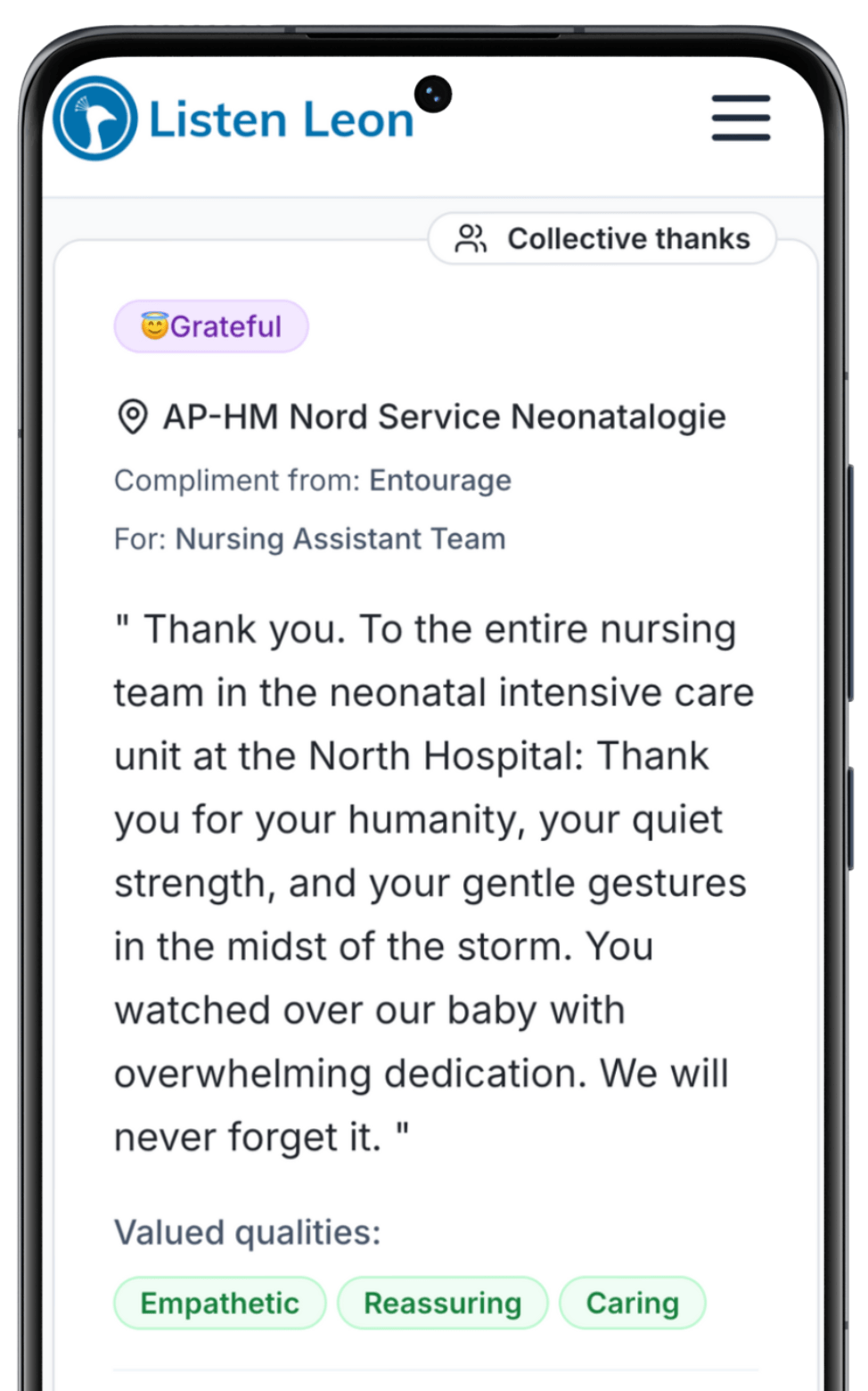
Direct, emotional gratitude that gives meaning to healthcare work.
The role of digital tools in healthcare recognition
A well-designed digital recognition system enables:
Asynchronous messages
No app installation for healthcare staff
Minimal operational burden
Moderated and respectful content
Useful visibility for organizations

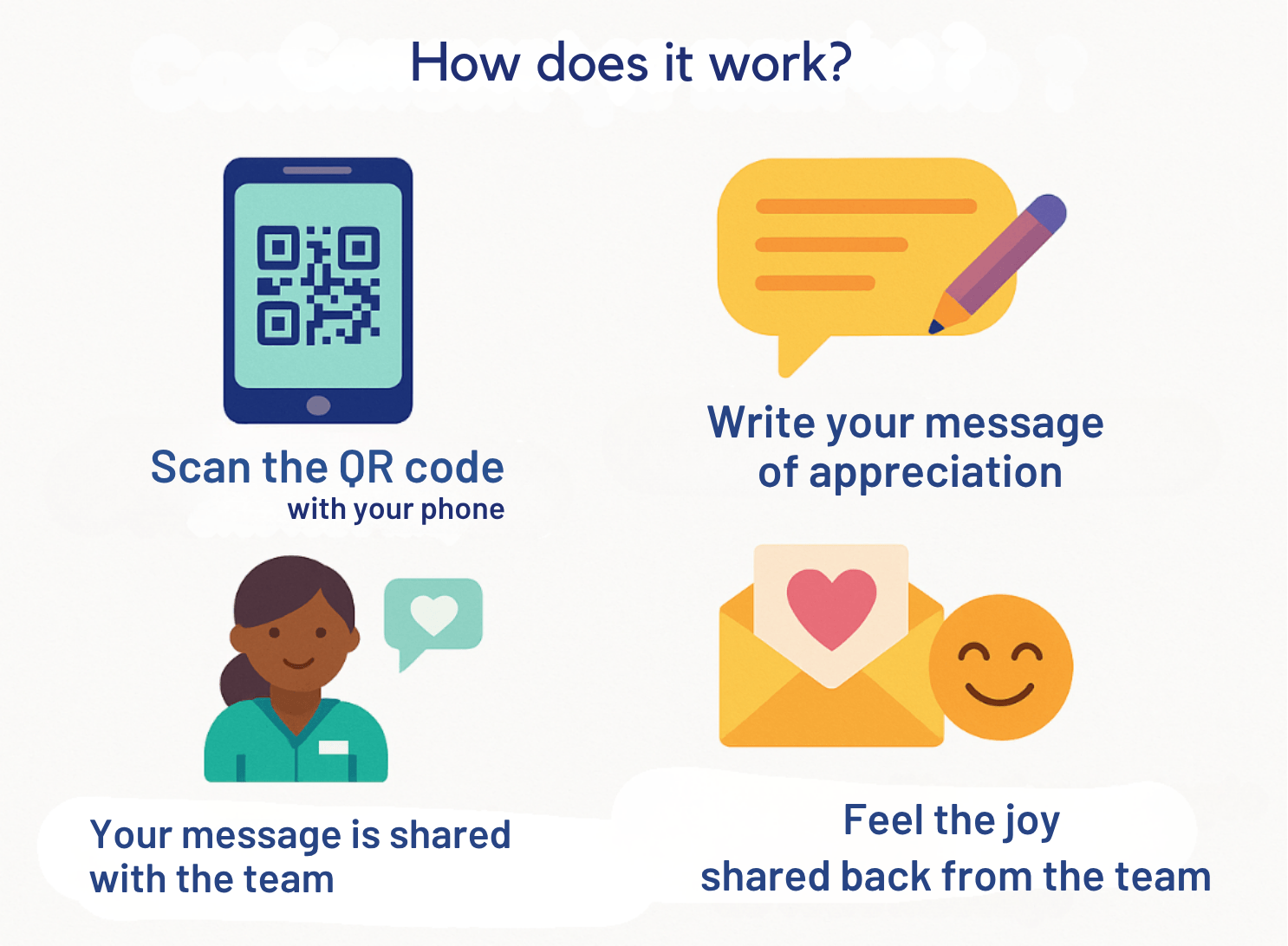
4 simple steps to express recognition to healthcare professionals through digital tools
As easy as... thank you!
Scan the QR code
Patients and families can easily access the platform.
Write a thank-you message
Take a moment to write a meaningful message.
Review and transmission
Each message is reviewed and then sent directly to healthcare professionals.
The team reacts to the message
After reading the message, professionals can share the emotion they feel with the sender via email using an emoji.

How to implement an effective recognition system in 48 hours
A recognition system works when it follows a few key principles.
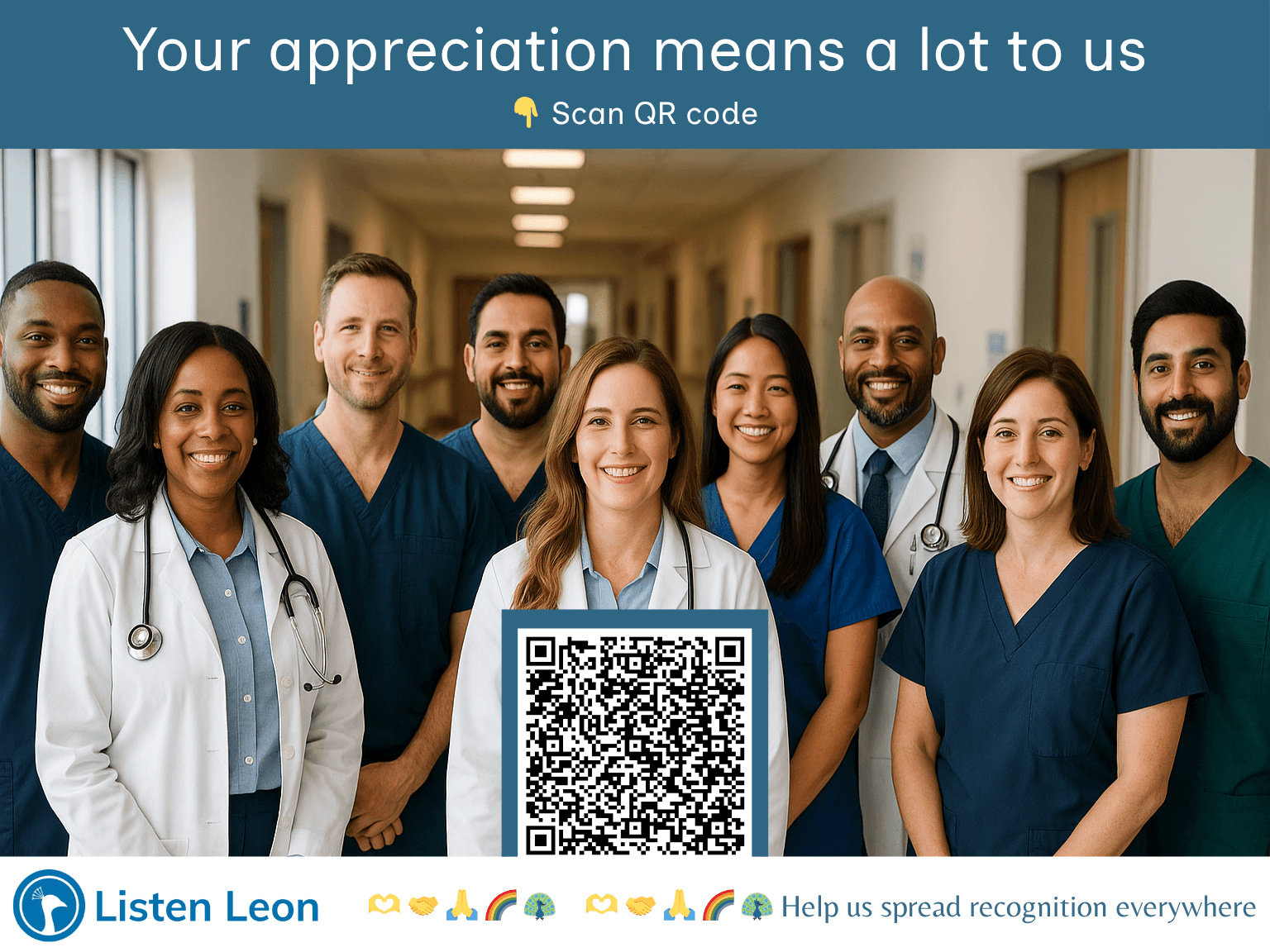
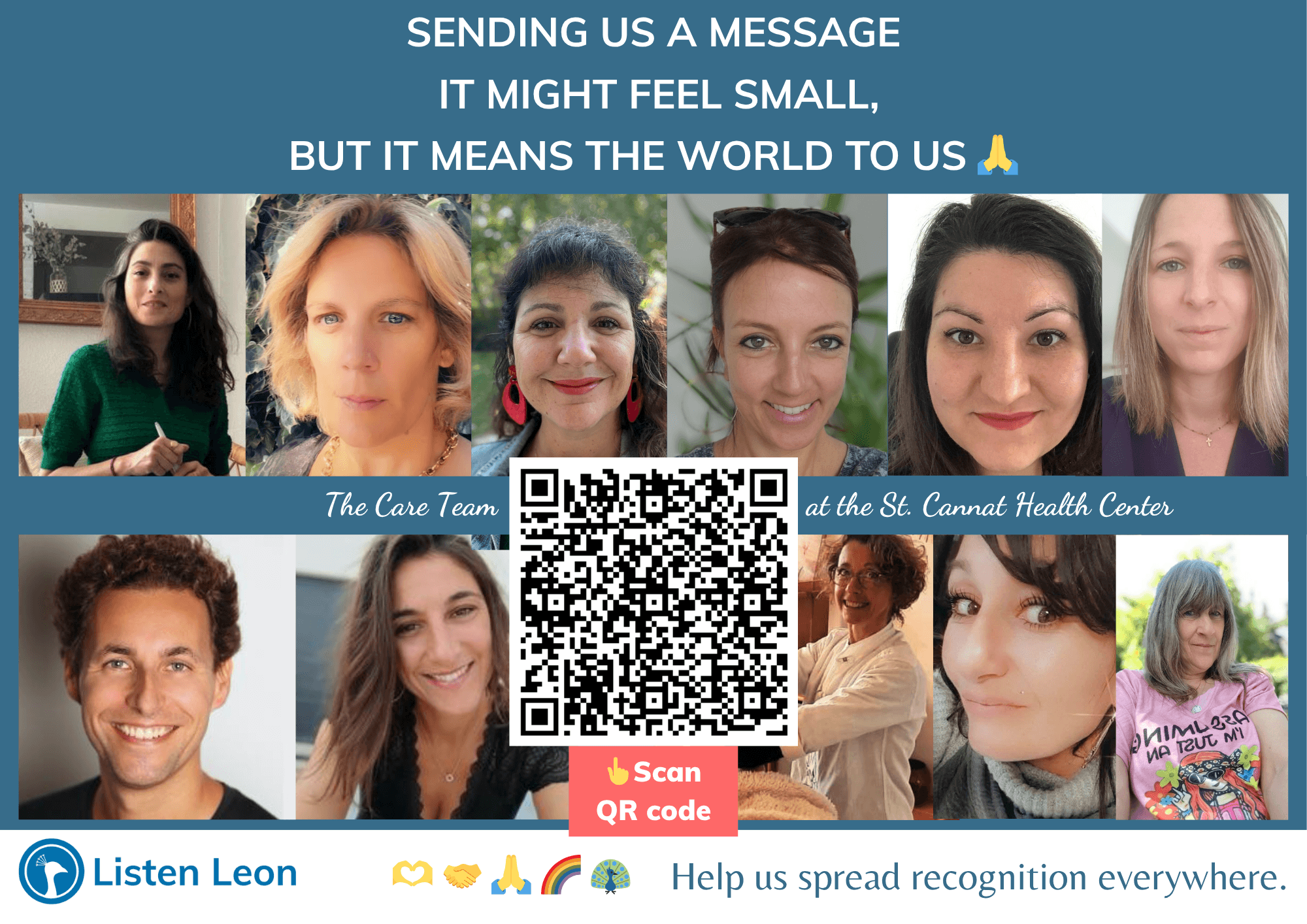
Installation of QR code displays in care units
Informing patients and families
Message reception and moderation
Regular sharing with teams
💡 The first workplace recognition app designed for healthcare
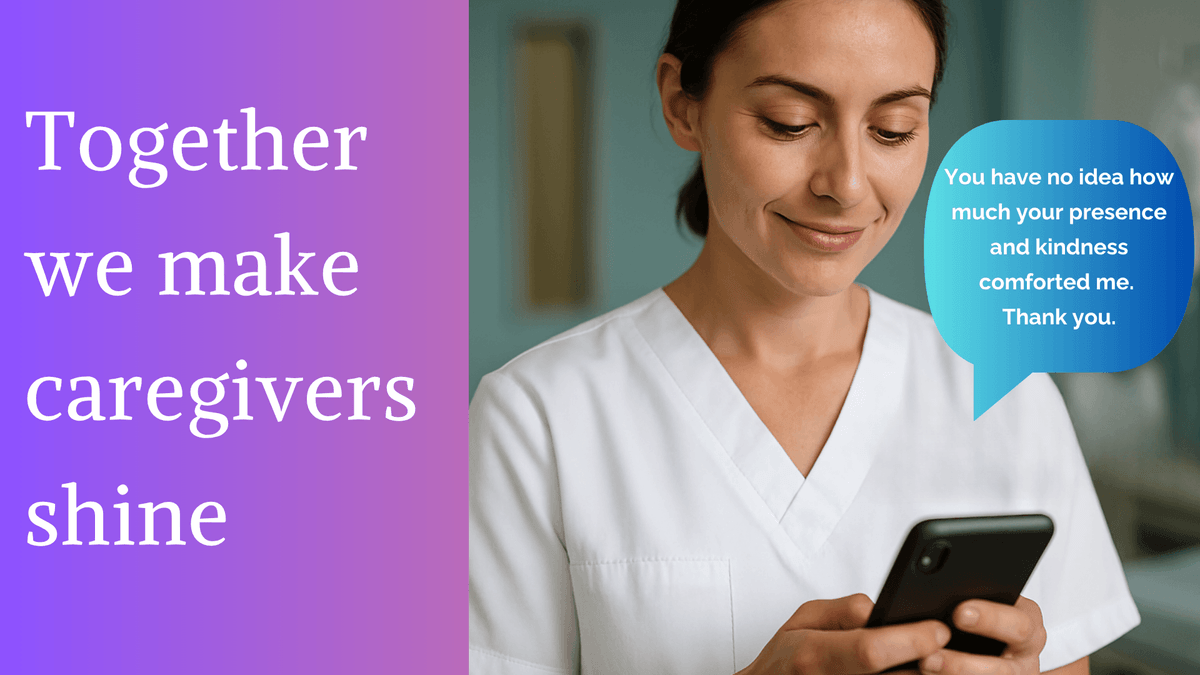
Patients, families, and loved ones can express their gratitude to healthcare professionals in hospitals, clinics, nursing homes, and other care facilities — simply by scanning a QR code.

Ready to plant the seeds of recognition?
Suitable for all types of healthcare organizations
Hospitals, nursing homes, disability care centers, community health centers, and medical practices.

Some healthcare partners
They implemented an employee recognition program with Listen Leon.


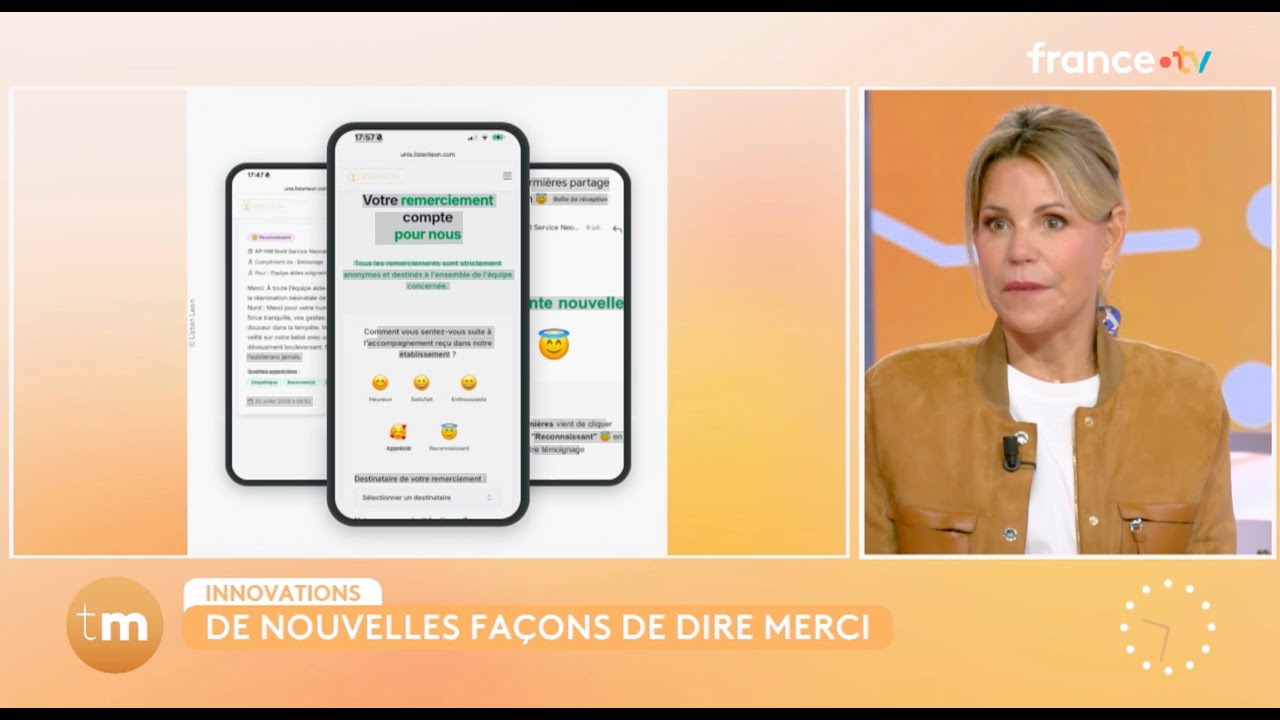
Our positive impact in hospitals on TV
Discover Laura Tenoudji’s feature on Listen Leon.

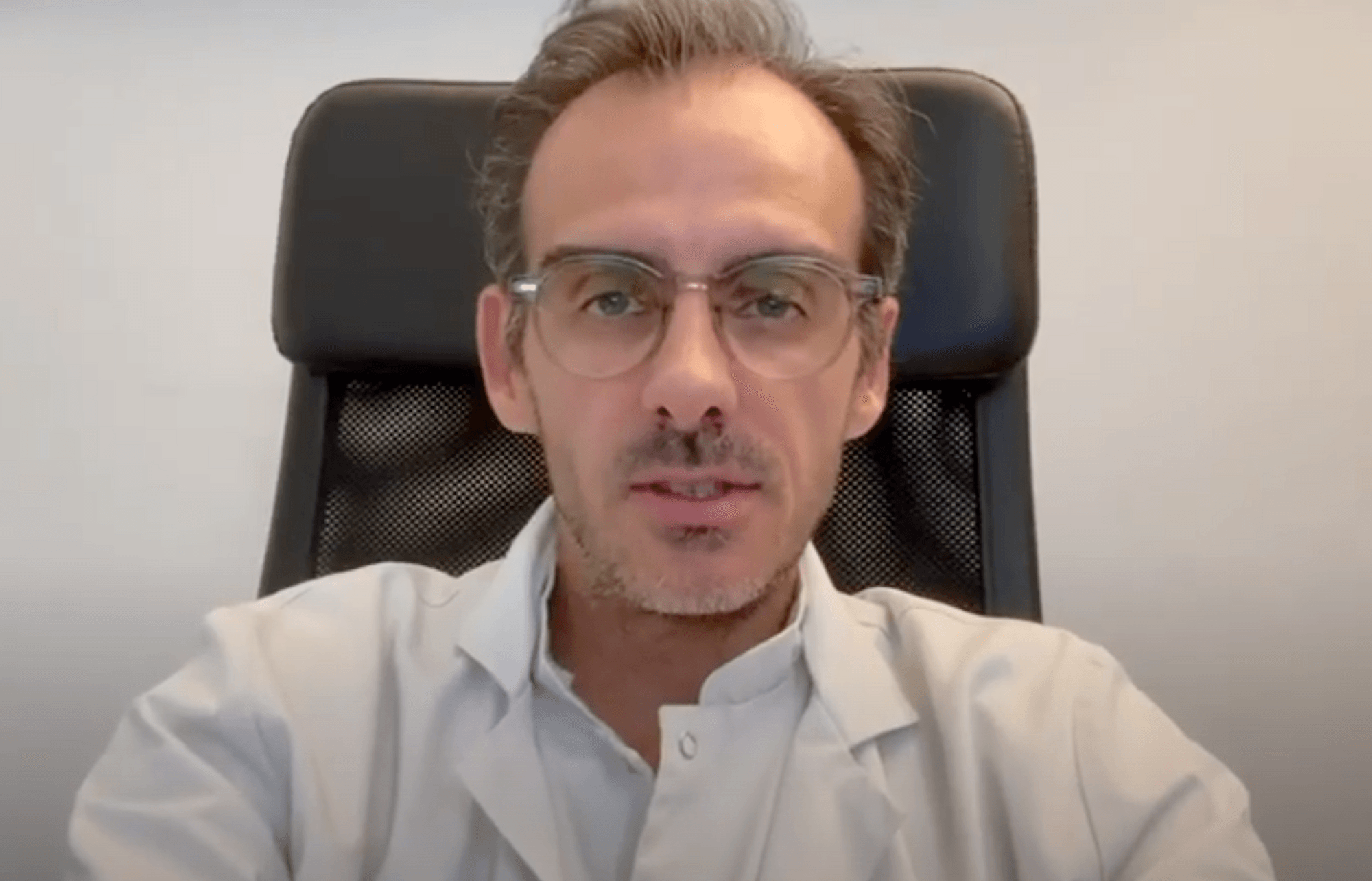
Testimonial — Hospital experience from healthcare professionals
Testimonial of Prof. Tosello, Head of Neonatology at Hôpital Nord in Marseille.

Everything you need to know about Listen Leon
Your questions on healthcare worker recognition.
How does Listen Leon work?
Listen Leon is a simple web application: patients, families, and loved ones scan a QR code displayed in the facility and can write a message of gratitude.
Each message is reviewed and then shared directly with healthcare professionals, who can read it easily at any time.
Who can send a message of appreciation?
Anyone — patients, families, loved ones, and sometimes even colleagues or partners.
The goal is to allow everyone to express their gratitude.
Do healthcare workers need to download an app?
No, there’s nothing to install.
Professionals access the messages directly through the Unis web portal of their facility.
Are messages moderated?
Yes. Every message is reviewed before being sent, to ensure it is positive and respectful.
Are the messages anonymous?
Yes. Families and loved ones can choose to sign their message or send it anonymously.
What matters is that the healthcare professional feels the recognition being expressed.
How do healthcare organizations use Listen Leon?
Hospitals, clinics, and long-term care facilities display posters or QR-coded materials in care areas.
This enables families to easily share gratitude, and caregivers to regularly receive positive messages.
Is Listen Leon GDPR-compliant?
Yes. No medical data is collected.
Only the content of the appreciation message is stored, and all data is hosted on secure servers in Europe.
What are the benefits for caregivers and the organization?
Together boosts team morale, strengthens engagement, reduces the feeling of emotional fatigue, and improves well-being at work.
For the facility, it enhances its attractiveness and strengthens its positive image among families and the community.
We use cookies to improve user experience. Choose what cookie categories you allow us to use. You can read more about our Cookie Policy by clicking on Cookie Policy below.
These cookies enable strictly necessary cookies for security, language support and verification of identity. These cookies can’t be disabled.
These cookies collect data to remember choices users make to improve and give a better user experience. Disabling can cause some parts of the site to not work properly.
These cookies help us to understand how visitors interact with our website, help us measure and analyze traffic to improve our service.
These cookies help us to better deliver marketing content and customized ads.